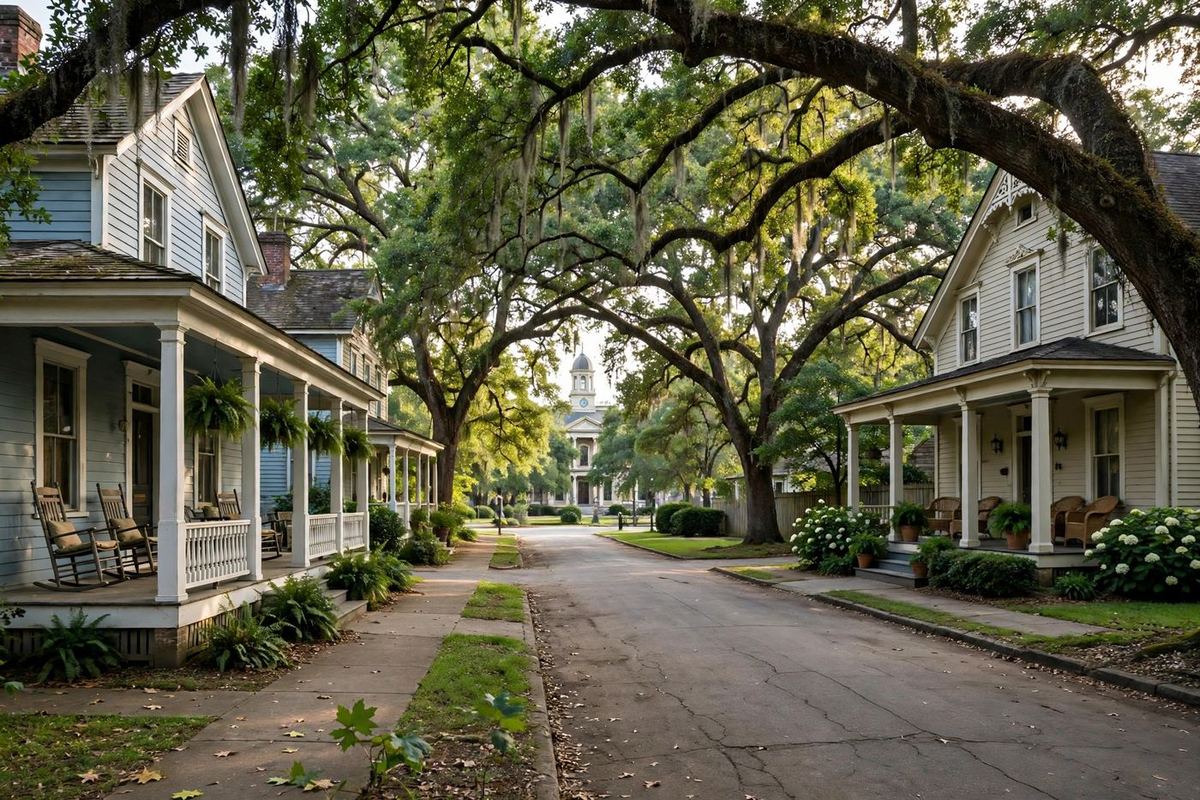
COA-first, always
Square-adjacent parcels can sit in locally designated districts, National Register districts, both, or neither — and the difference decides whether a Certificate of Appropriateness is required before your permit. We run the parcel check with Marietta Planning & Zoning first; permits inside city limits go through SagesGov. The full explainer is on our historic home renovation page.
Small-house, big-life renovations
- Kitchen expansions that add space where the street cannot see it
- Systems modernisation behind historic fabric — plumbing, electrical, HVAC without visible damage
- Porch restoration and garden rooms under the mature canopy
- Basement and studio conversions on the Whitlock Avenue precedent — done legally, with egress and permits
Sequencing a Square renovation: approval, permit, then build
Downtown, the calendar is set before any tradesperson arrives. If your parcel needs a Certificate of Appropriateness, that application — with complete street-visible elevations — goes first, because a City building permit will not be issued without proof of COA where one is required. Only then does the application go through SagesGov, the City of Marietta's online portal. Budget the fee from the published formula, as of October 2026: $4 per $1,000 of total construction cost, labour and materials, plus $50, with no plan-review fee — an $80,000 scope carries a $370 City permit fee, before trade permits.
That sequence rewards deciding early. Rear kitchen expansions, systems threaded behind historic fabric and porch work all depend on what the street can see, so elevations and selections are settled in design rather than changed mid-build. City inspections follow, with a Certificate of Occupancy at completion once fees are paid.